
Predictive Wi-Fi Modeling: Designing Reliable Networks Before Installation
Reliable wireless networks do not happen by accident. In modern commercial environments, successful Wi-Fi deployments are the result of careful planning, accurate modeling, and thoughtful design long before any hardware is installed.
For integrators working on complex projects, predictive Wi-Fi modeling provides a way to visualize wireless performance before installation begins. Instead of guessing where access points should go, predictive modeling allows designers to simulate coverage, identify potential problems, and build networks that perform consistently in the real world.
Access point placement is one of the biggest factors in wireless performance, which is why following access point placement best practices is so important during the design phase.
At WhyReboot, predictive modeling is a core part of the network engineering process. By turning floor plans into accurate wireless simulations, integrators can move from trial-and-error installations to repeatable, reliable deployments.
Why Traditional Wi-Fi Planning Falls Short
Many wireless networks are still deployed using rough estimates or basic rules of thumb.
Common approaches include:
- spacing access points evenly across a floor plan
- using manufacturer coverage estimates
- adding additional APs after users report problems
While these methods may work in simple environments, they often fall short in modern spaces filled with wireless devices, dense construction materials, and high performance expectations.
The result is a familiar cycle for integrators:
- dead zones in unexpected areas
• interference between neighboring access points
• inconsistent roaming behavior
• ongoing troubleshooting after installation
Predictive Wi-Fi modeling helps break this cycle by allowing integrators to simulate network performance before deployment.
What Is Predictive Wi-Fi Modeling?
Predictive Wi-Fi modeling is the process of using specialized software to simulate wireless signal behavior within a physical environment.
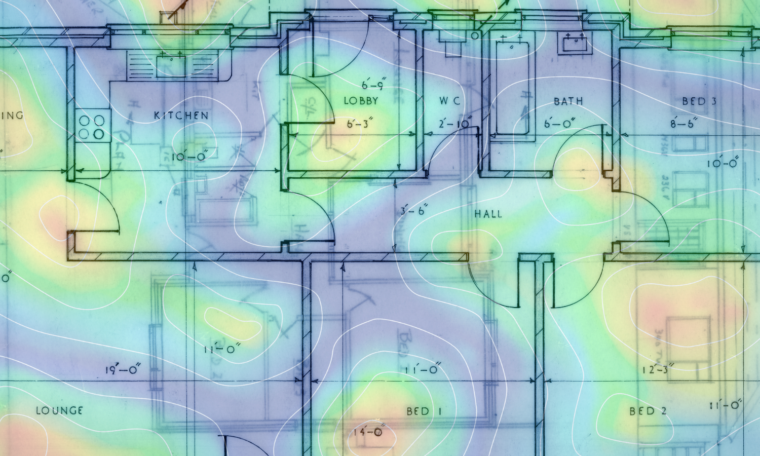
Designers import building floor plans into tools such as Ekahau, then define materials, wall structures, ceiling heights, and expected device density. The software calculates how radio signals will propagate through the space and generates coverage maps that show signal strength throughout the building.
This process allows integrators to determine:
- optimal access point locations
- expected signal strength levels
- interference risks
- channel overlap between APs
- overall wireless coverage before installation
Instead of reacting to problems after a deployment, predictive modeling helps prevent them.
Why Predictive Modeling Matters for Integrators
For network integrators, predictive modeling provides several advantages during both the design and deployment phases.
Better Access Point Placement
Access point placement is one of the most important factors in wireless performance. Predictive modeling identifies the locations where APs will provide the best coverage while minimizing interference.
This allows integrators to avoid common placement issues such as:
- excessive overlap between access points
- weak signal areas caused by structural obstacles
- installations that require additional hardware after deployment
By modeling coverage in advance, integrators can install access points where they will perform best from the start.
For a deeper look at the design and installation principles behind stronger wireless coverage, explore our guide to access point placement best practices.
More Accurate Hardware Planning
Predictive modeling also helps determine the correct number of access points required for a deployment.
Without modeling, networks are often either overbuilt or underbuilt.
Overbuilt networks create unnecessary interference and increase hardware costs. Underbuilt networks struggle to deliver reliable coverage and require additional installations later.
Modeling allows integrators to balance coverage, capacity, and cost more effectively.
Fewer Post-Installation Problems
One of the biggest advantages of predictive modeling is the reduction of troubleshooting after installation.
When wireless networks are designed based on accurate simulations, the final deployment is much more likely to match the expected performance.
This reduces the need for:
- additional access points
- signal adjustments
- expensive return visits to the site
For integrators managing multiple projects, this consistency can significantly improve deployment efficiency.
How Predictive Wi-Fi Modeling Works
Predictive modeling combines floor plan analysis with radio frequency simulation to create a detailed view of how wireless signals behave within a space.
The process typically includes several steps.
1. Importing Floor Plans
Design begins by importing architectural floor plans into the modeling software.
These plans provide the structural framework used to simulate signal propagation across the environment.
2. Defining Construction Materials
Different materials affect wireless signals in different ways.
Concrete, metal, and brick attenuate signals much more than drywall or glass. Modeling tools allow designers to assign materials to walls and structural elements so signal behavior reflects real-world conditions.
3. Simulating Access Point Coverage
Access points are then placed within the model, and the software calculates how wireless signals spread throughout the space.
The resulting heatmaps show signal strength levels across the floor plan, making it easy to identify coverage gaps or excessive overlap.
4. Optimizing the Design
Designers adjust access point locations, transmit power levels, and channel assignments until the network provides consistent coverage across the intended areas.
The final design becomes the blueprint for the installation team.
Accounting for Real-World Challenges
Modern wireless environments include many factors that can affect signal behavior.
Predictive modeling helps integrators account for these challenges during the design process.
Construction Materials
Materials such as reinforced concrete, metal framing, and specialized glass coatings can significantly reduce signal strength.
Accurate modeling ensures these materials are factored into the coverage design.
Device Density
Modern workplaces often support dozens of devices in a single room.
Predictive modeling helps designers account for user density and ensure access points can support the expected number of clients.
Interference Sources
Other wireless networks, Bluetooth devices, and electronic equipment can all contribute to RF interference.
While modeling cannot predict every source of interference, it helps designers plan channel usage and access point placement to minimize conflicts.
The Role of Predictive Modeling in Commercial Wi-Fi Design
Predictive modeling is particularly valuable in commercial environments where wireless performance expectations are high.
Businesses depend on reliable connectivity for:
- cloud applications
- video conferencing
- collaboration tools
- mobile devices
- IoT systems
Poor wireless performance can directly impact productivity and user experience.
By modeling networks before installation, integrators can deliver wireless infrastructure that supports these business needs more reliably.
Designing Clean Installations Without Sacrificing Performance
Many commercial spaces also require network infrastructure to remain visually unobtrusive.
Architects and designers often prefer wireless hardware to blend into the environment.
Predictive modeling allows integrators to coordinate hardware placement with the building design while still maintaining proper wireless coverage.
Solutions like Paramount help integrators maintain clean, low-profile installations without forcing access points into compromised locations that can hurt wireless performance.
Mounting solutions, ceiling installations, and cable routing can all be planned as part of the design process so the finished network looks professional while still performing as intended.
Predictive Modeling and WhyReboot’s Engineering Approach
At WhyReboot, predictive Wi-Fi modeling is part of a broader engineering methodology focused on delivering reliable network infrastructure for integrators.
Rather than relying on trial-and-error installations, the WhyReboot team uses modeling tools and network design expertise to build wireless deployments that perform consistently.
Integrators working with WhyReboot gain access to engineering resources that help turn site surveys and floor plans into practical deployment plans.
This approach helps projects move from design to installation more smoothly while reducing the risk of unexpected wireless issues.
If you want to learn more about the engineering principles that guide this process, you can explore WhyReboot’s broader approach to network design and support on the WhyReboot Competitive Advantages page.
When Predictive Modeling Makes the Biggest Difference
While predictive modeling is useful in almost any deployment, it becomes especially valuable in more complex environments.
Examples include:
- multi-floor commercial buildings
- luxury residential homes and smart home environments
- hospitality environments
- high-density conference spaces
- campuses and educational facilities
- smart buildings with large numbers of connected devices
In these environments, guessing access point placement is rarely effective. Modeling provides the clarity needed to build networks that perform reliably.
Turning Wi-Fi Design Into a Repeatable Process
One of the biggest advantages of predictive modeling is that it turns wireless design into a repeatable process rather than a series of educated guesses.
With proper modeling, integrators can deliver:
- more predictable coverage
- consistent installation standards
- fewer post-deployment issues
- better long-term network performance
As wireless networks continue to support more devices and more critical business applications, thoughtful design becomes increasingly important.
Predictive Wi-Fi modeling gives integrators the tools needed to build networks that work the first time.
Final Thoughts
Reliable wireless networks begin with thoughtful planning.
Predictive Wi-Fi modeling allows integrators to understand how wireless signals will behave within a space before installation begins. By simulating coverage, accounting for structural materials, and optimizing access point placement, integrators can design networks that perform more consistently in real-world environments.
For projects where performance, reliability, and clean installations matter, predictive modeling provides a smarter path to successful Wi-Fi deployments.
News